
time:2026-01-12
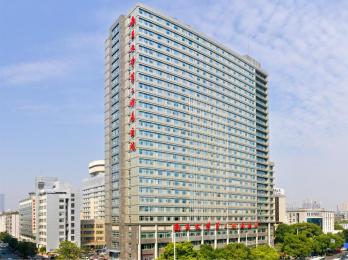
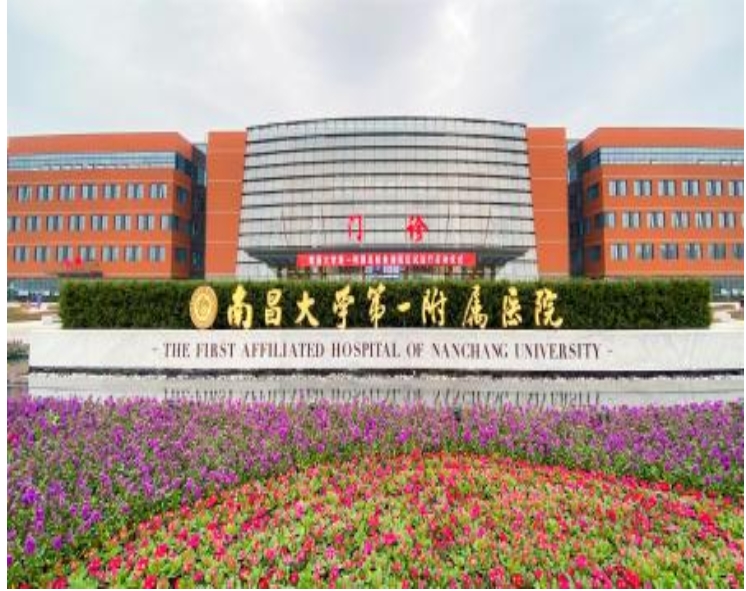
The supporting unit of this research institute is the School of Mathematics and Computer Science, Nanchang University. The co-constructing units include the School of Mathematics and Computer Science, School of Information Engineering, School of Software of Nanchang University, as well as the First Affiliated Hospital, Second Affiliated Hospital, Stomatological Hospital, Eye Hospital, and Rehabilitation Hospital of Nanchang University. The supporting units are represented by Jiangxi Digital Industry Group Co., Ltd., covering a number of relevant enterprise units.
General Secretary Xi Jinping pointed out that people's health is an important symbol of national prosperity and strength. The establishment of the Nanchang University Smart Medical Technology Research Institute is a crucial initiative to implement the "Healthy China 2030 Strategy" and the "Digital China Strategy". The innovation capacity of digitalization and intelligence has become the backbone of new quality productive forces and innovative driving forces. By integrating medical science with digital intelligent technology, the research institute is committed to carrying out innovative research around improving the efficiency and quality of medical services, aiming to provide technical and talent support for enhancing the national health level and building a digital medical service system.
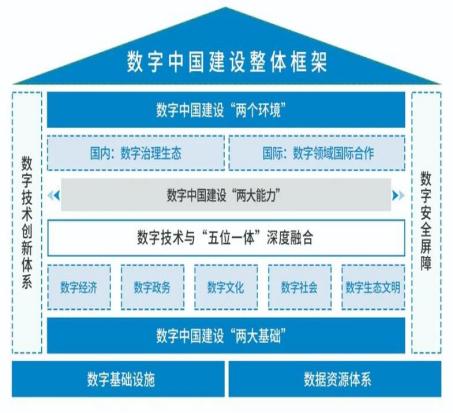
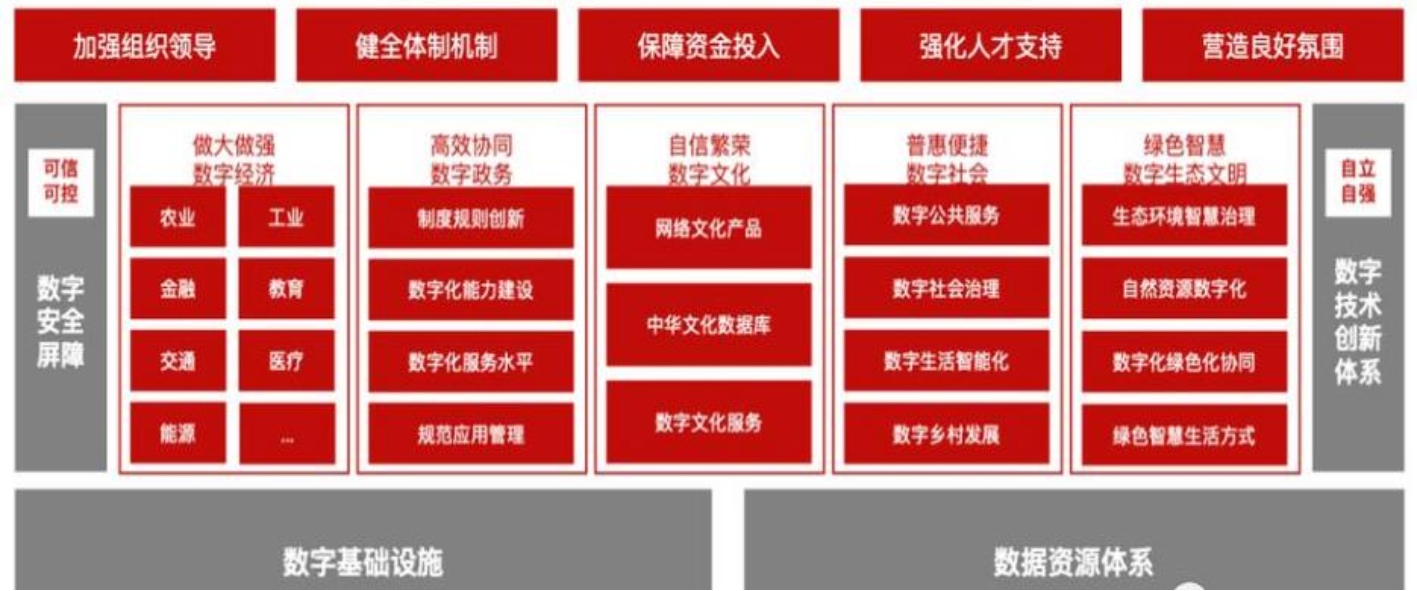
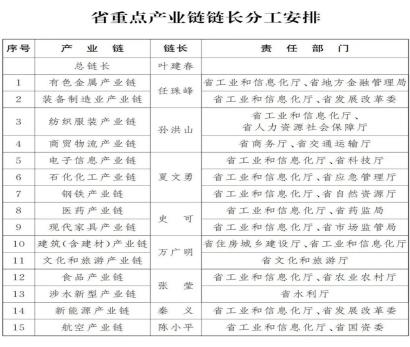
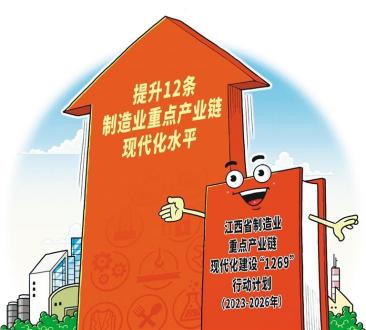
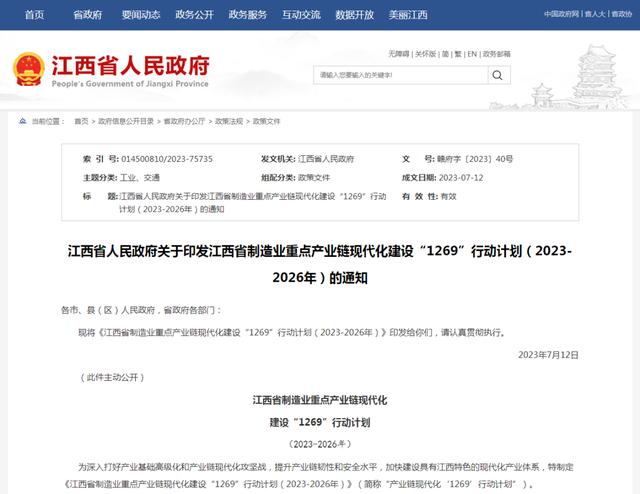
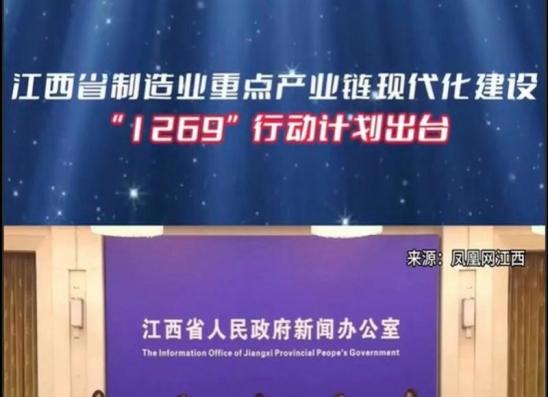
To accelerate the construction of a modern industrial system with Jiangxi characteristics, the People's Government of Jiangxi Province has formulated the "Jiangxi Province Manufacturing Industry Key Industrial Chain Modernization Construction '1269' Action Plan (2023-2026)". The construction of the Nanchang University Smart Medical Technology Research Institute is an integral part of implementing this plan. Meanwhile, aligning with the electronic information industry chain and the pharmaceutical industry chain, it strives to become a research and development center and talent base for smart medical care in the province. It will assist Jiangxi Province in its strategic layout in the field of digital health and promote the all-round progress of local economy and society.
The construction of the Smart Medical Technology Research Institute is of profound significance and multi-faceted value for Nanchang University to build a world-class university.
1)Promoting Interdisciplinary Integration
Advancing Disciplinary Development: The establishment of the institute facilitates the interdisciplinary integration of medicine, information technology, bioscience and other disciplines, forming new disciplinary growth points and enhancing disciplinary competitiveness.
Innovating Research Models: Through interdisciplinary cooperation, the institute can conduct innovative research, solve complex problems that are difficult to tackle by traditional single disciplines, and improve research level and quality.
Cultivating Compound Talents: Interdisciplinary integration promotes the cultivation of compound talents, providing students with a broader academic perspective and career development space.
2)Enhancing Disciplinary Innovation Capacity
Improving Scientific Research Achievements: The institute helps concentrate advantageous resources to carry out cutting-edge scientific research and produce more high-quality scientific research achievements.
Increasing Scientific Research Investment: Its establishment can attract more scientific research investment, including funds, equipment and talents, providing strong support for scientific research activities and disciplinary construction.
Promoting Technology Transformation: The institute can quickly transform scientific research achievements into practical applications, promoting the progress of smart medical care, medical-engineering interdisciplinary integration technology and the upgrading of the digital medical industry.
3)Strengthening Social Service Functions
Serving Local Economy: The research achievements of the institute can directly serve the development of the local economy and promote the improvement of local medical and health undertakings.
Promoting Industry-Education Integration: The establishment of the institute helps strengthen university-hospital and university-enterprise cooperation, promote the integration of medical care, industry and education, and realize resource sharing and complementary advantages.
Improving Public Health Services: The institute can participate in the research and implementation of public health projects, enhancing the capacity and level of public health services in our province.
In general, the construction of the Nanchang University Smart Medical Technology Research Institute can not only promote the interdisciplinary integration of the university, enhance scientific research and innovation capacity, optimize the talent training system, strengthen social service functions, improve international cooperation and exchange, and strengthen infrastructure construction, but also promote cultural inheritance and innovation. The comprehensive improvement in these aspects will provide a solid foundation and strong support for Nanchang University to build a world-class university.
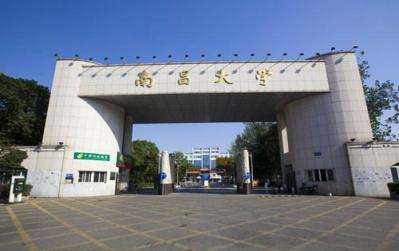

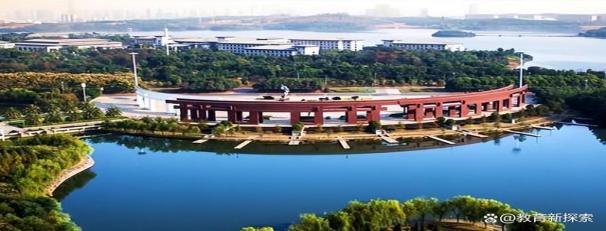
1)The Nanchang University Smart Medical Technology Research Institute will focus on the scientific research and innovation of common technologies in the smart medical industry and the efficient transformation of achievements. It strives to make significant breakthroughs in solving major common scientific and technological problems in the smart medical industry of Jiangxi Province and the country, undertaking national major research projects, winning national-level awards, and serving local economic construction.
2)Build the institute into an internationally advanced smart medical technology innovation base integrating medical treatment, industry, education, research and application, comprehensively enhance the core scientific research competitiveness of Jiangxi Province and China in the field of smart medical care, and support and guide the technological transformation and upgrading and leapfrog development of the smart medical industry in Jiangxi Province.
3)The institute plans to accelerate the integration of advantageous resources of medical-engineering integration, set up an entity research team, and build an academic community of in-depth integration of medical-engineering integration, industry, education and research in the field of smart medical care
4)The institute will exert significant scientific, technological and social service influence in the fields of cultivating high-level scientific and technological achievements in smart medical care, training high-level talents, transforming scientific and technological achievements, and incubating the smart medical industry. It will drive the interdisciplinary penetration of related disciplines, form a number of advantageous disciplinary teams and exemplary application achievement transformations, and realize the leapfrog development of smart medical-related disciplines in Nanchang University.
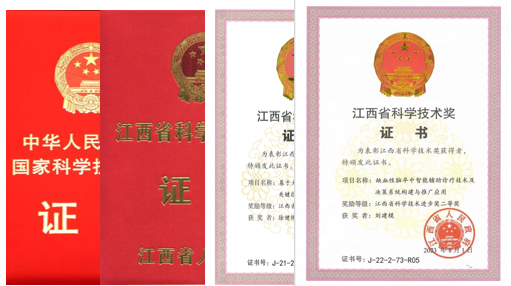
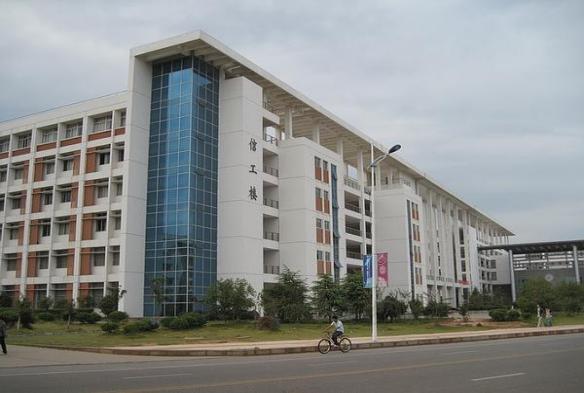
Construction: Through medical-engineering integration, promote the interdisciplinary penetration between affiliated hospitals and different disciplines of the university headquarters, and high-quality promote the incubation of national first-class achievements and the construction of national first-class disciplines.
AI Empowering Medical Technology Innovation: Commit to the research and development of high-end medical devices and equipment such as medical intelligent diagnosis, medical big data analysis, and drug testing.
Transformation of Scientific and Technological Achievements: Promote the application and industrialization of research achievements in new-generation medical-engineering integration information technologies such as artificial intelligence and virtual reality in medical care.
Talent Training: Cultivate professional talents, such as actively cultivating and introducing national-level talents in the field of smart medical care and medical-engineering integration innovative talents who can solve the bottleneck problems.
Promoting Industrial and Economic Development: Build an open and cooperative industrial development ecosystem, implement the relevant policies of Jiangxi Province's "1269" Action Plan and the "Pharmaceutical +" development strategy, and promote the economic and social progress of Jiangxi Province.

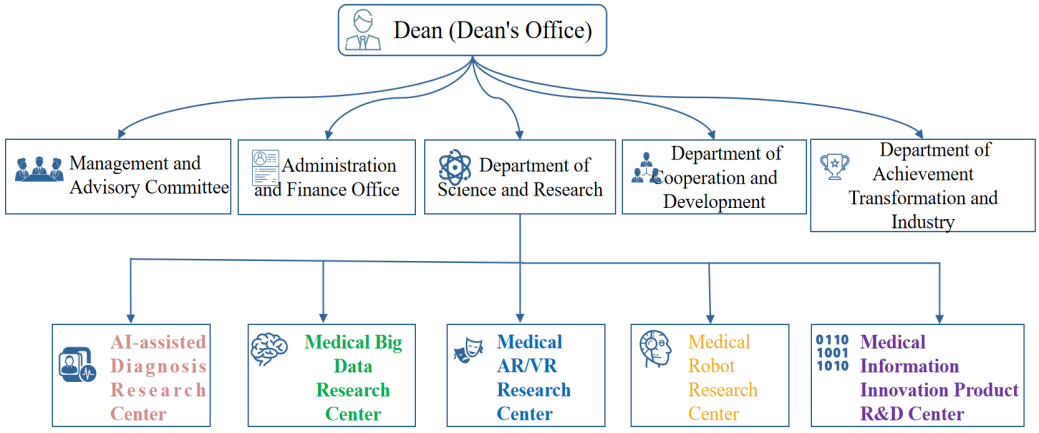
Management and Advisory Committee: As the highest decision-making body of the institute, it is responsible for formulating the strategic development direction and major policies of the institute.
Dean's Office: Fully responsible for the daily management and operation of the institute.
Science and Research Department: Composed of 5 research centers in the field of smart medical care.
Achievement Transformation and Industry Department: Provide services for the transformation of smart medical scientific and technological achievements and industrial docking.
Cooperation and Development Department: Responsible for external exchanges and cooperation, as well as project application and fund-raising.
Administration and Finance Office: Provide management services to ensure the standardized operation of the institute.
1) AI-Assisted Diagnosis Research Center: Utilize advanced artificial intelligence technologies such as deep learning and image processing to accelerate the pathological diagnosis process, improve the accuracy and efficiency of diagnosis, and ultimately realize the early detection and precise treatment of various diseases.
2) Medical Big Data Research Center: Involve the research of intelligent early warning and predictive intervention of diseases, intelligent medical research of multi-omics data, health services and medical engineering research, big health data mining and application research, as well as hospital management, health policies and other fields.
3) Medical AR/VR Research Center: Use advanced virtual reality information technology to improve medical and health services, especially achieving remarkable results in medical education, surgical planning and navigation, and rehabilitation training.
4) Medical Robot Research Center: This center involves different disciplines such as biology, medicine, mechanics, materials, information, control, and computer science. It integrates research, education, development, clinical practice, transformation and service, and is committed to the basic, engineering and clinical research in the fields of surgical robots, rehabilitation and auxiliary robots, hospital automation and high-throughput robots.
5) Medical Information Innovation Product R&D Center: This center focuses on the independent research and development of domestic alternatives and innovative products for medical information technology, and is committed to promoting the digital localization transformation of the medical industry, and improving the safety, controllability, quality and efficiency of medical information services.
Research Directions | Core Members |
AI-Assisted Diagnosis | Liu Qiegen, Huang Wei, Zhang Yan*, Zeng Xianjun*, Yi Yingping, Xu Shaoping, Gu Zhenzhen, etc. |
Medical Big Data | Xu Zichen, Pang Meng, Du Jianqiang, Li Jianming*, Zhu Xingen*, Zhou Fan*, Duan Wenying, etc. |
Medical AR/VR | Min Weidong, Le Aiping*, Li Chunquan, Zou Yanni, Wei Xin, Li Wei, Gai Di, etc. |
Intelligent Medical Devices | Xu Jianfeng, Xiong Pengwen, Gong Lianggeng*, Guo Hua*, Liu Zhili*, Wei Xin, Liu Jianmo*, etc. |
Medical Information Innovation Products | Rao Hong, Cao Lei*, Chen Shengbo, Lin Zhenrong, Wang Weili, Ding Feng, Shao Guolin, Lin Deyu, etc. |
*Personnel from affiliated hospitals
The resource guarantee and construction conditions required for the establishment of the Nanchang University Smart Medical Technology Research Institute are various, involving multiple dimensions such as talents, technology, funds and policies.
1)Talent Resources: Introduce and cultivate top experts and researchers in the field of smart medical care, including doctors, engineers, data scientists, etc. Establish interdisciplinary research teams to promote cooperation and exchange between different fields.
2)Technical Resources: Acquire advanced medical information technology and equipment, such as big data analysis tools, VR/AR technology, artificial intelligence computing power and algorithms. Establish cooperative partnerships with affiliated hospitals and enterprises to ensure timely access to the latest technical support and updates.
3)Financial Support: Ensure sufficient start-up funds and continuous financial investment for infrastructure construction, scientific research projects, talent training, etc. Seek various financing channels such as government grants, industry sponsorships and enterprise cooperation.
4)Facility Resources: Build laboratories, research centers, testing facilities, etc. that meet scientific research requirements. Ensure suitable office space and research environment to attract high-end talents.
5)Data Resources: Access rich medical data resources, including patient medical records, medical images, genomic data, etc. Establish strict data management and confidentiality systems to ensure data security and compliance.
1) Strategic Planning: Clarify the positioning, goals and development strategy of the institute, and formulate long-term plans and short-term goals. Conduct sufficient market analysis and demand research to ensure that research directions and achievements meet the needs of disciplinary and industrial development.
2) Organizational Structure: Establish an efficient management structure and operation system, including clarifying the responsibilities and coordination mechanisms of various departments; set up a supervision and evaluation system to ensure the operational efficiency and scientific research quality of the institute.
3) Scientific Research Environment: Create an open, collaborative and innovative research atmosphere, encouraging interdisciplinary communication and cooperation. Provide necessary scientific research services and support, such as experimental materials, research tools, technical support, etc.
4) Cooperation Network: Build a close cooperation network with medical institutions, scientific research institutes, industry enterprises and investment funds. Conduct international cooperation and exchanges to enhance the international influence of the institute.
5) Social Impact: Promote the development of the smart medical industry through the transformation and application of scientific research achievements, and improve public health conditions. Strengthen communication with the society to enhance public understanding and trust in smart medical care.
Through systematic planning and phased implementation, strive to build the institute into a domestic highland for smart medical research and transformation within 5-10 years.
1)The institute implements the president responsibility system under the leadership of the Management Committee: Establish a Management Committee as the highest decision-making body of the institute, composed of university representatives, renowned scholars, hospital representatives, industry experts, etc. Implement the president responsibility system, where the president is appointed by the Council and fully responsible for the daily management and scientific research work of the institute.
2)Management and Advisory Committee: Set up a Management and Academic Advisory Committee composed of experts and scholars in the field, responsible for guiding research directions, evaluating scientific research projects, and promoting academic exchanges.
3)Management and Operation Departments: Establish Administration and Finance Department, Cooperation and Development Department, Achievement Transformation and Industry Department, etc., responsible for the daily administration and project operation management of the institute.
1)Project-Driven Mechanism: Take projects as the core, organize research teams around major scientific research projects, and implement the project responsibility system. Jointly set up medical-engineering integration scientific research fund projects with affiliated hospitals, and select project leaders through a combination of internal competition and external bidding.
2)Interdisciplinary Research Teams: Encourage researchers with different disciplinary backgrounds to form interdisciplinary teams to promote knowledge integration and innovation.
3)Scientific Research Achievement Evaluation System: Establish a scientific evaluation system for scientific research achievements, including multi-dimensional evaluation such as paper quality, patent applications, and achievement transformation.
1) High-Level Talent Introduction Plan: To support the construction of multiple disciplines, the institute implements an overseas high-level talent introduction plan to attract top scholars and young talents. Provide competitive remuneration packages and development platforms, and create a good research environment.
2) Open and Mobile Scientific Research Environment: Establish an open and shared scientific research platform to attract visiting scholars and joint training of postgraduates with affiliated hospitals. Support researchers to conduct international exchanges and cooperative research to enhance their international perspective.
3) Talent Training System: Cooperate closely with teaching departments to establish a complete talent training system from undergraduate to postgraduate and even postdoctoral levels. Offer courses related to smart medical care to cultivate compound talents with interdisciplinary backgrounds.
Industry Alliance: Establish industry alliances with enterprises and institutions in the industry to jointly promote the formulation of technical standards and industrial development. Regularly hold industry forums and seminars to strengthen information exchange and demand docking.
Industry-Education-Research Cooperation Platform: Build a cooperation platform to promote the transformation of scientific research achievements and technological innovation. Deepen university-enterprise cooperation through the joint construction of laboratories and joint research and development projects.
Innovation and Entrepreneurship Support: Provide entrepreneurial guidance and financial support to encourage researchers and students to establish high-tech enterprises. Establish incubators and accelerators to provide one-stop services for start-ups.
In addition to financial appropriations, actively seek corporate sponsorships, social donations, international cooperation funds, etc. Set up special funds to support key research areas and talent training. Implement a financial management system to ensure the rational allocation and effective use of funds. Conduct regular financial audits to ensure financial transparency and compliance.
Carry out popular science activities to enhance public understanding and acceptance of smart medical care. Release research reports and policy recommendations to provide scientific basis for government decision-making. Cooperate with local governments and communities to establish a smart medical service network. Utilize telemedicine and health management technologies to improve the level of primary medical services.
Through the implementation of the above plans, the Nanchang University Smart Medical Technology Research Institute will establish an efficient, collaborative and open operation mechanism. It will not only promote the innovation of medical-engineering integration technology, cultivate high-end smart medical technology talents, but also promote the agglomeration and development of the smart medical industry, contributing to improving human health and providing strong support for the construction of first-class information technology-related disciplines in Nanchang University.
Interdisciplinary Exchange: Promote the exchange and cooperation between different disciplines, such as the interdisciplinary integration of medicine, engineering, information science and other fields. Organize interdisciplinary research teams and hold interdisciplinary seminars to promote the innovation and development of academic research.
Domestic Cooperation: Establish strategic cooperative relations with well-known domestic and foreign universities and scientific research institutes to jointly carry out scientific research projects. Participate in domestic and foreign academic conferences to display research achievements and expand academic influence.
International Cooperation: Establish cooperative relations with internationally renowned universities and research institutions to conduct scientific research cooperation and academic exchanges. Invite international experts to give lectures in China and send researchers to study abroad.
Establish cooperative relations with leading hospitals and enterprises in the industry to jointly develop new technologies and products. Through industry-education-research cooperation, promote the rapid transformation and application of scientific research achievements. Set up a special technical achievement transfer service office to be responsible for patent applications and technology transfer of scientific research achievements. Cooperate with the industry to establish incubators and accelerators to support the development of start-ups. Participate in or lead the formulation of industry standards and norms in the field of smart medical care. Promote the implementation and application of industry standards through industry forums and seminars.
Achievement Transformation and Awards: Establish an efficient technology transfer process to shorten the time from scientific research achievements to market application. Organize the declaration and award of scientific and technological achievements. Regularly evaluate the effectiveness of technological achievement transformation.
Scientific and Technological Projects and Platforms: Strive for high-level national and provincial scientific research projects, as well as scientific research funds from other channels. Strive to establish a national-level medical-engineering integration scientific research platform within the next 5 years.
Publishing High-Quality Papers and Authorizing Invention Patents: Regularly count the number of papers published, impact factors and other data, as well as invention patents as important indicators for evaluating researchers and the institute.
Contact Person: Professor Xu Jianfeng (Executive Vice Dean)
Phone: 13870861390
Email: jianfeng_x@ncu.edu.cn

Address:No.999 Xuefu Avenue, Honggutan District, Nanchang City, Jiangxi Province, China
Tel:0791-83969506
E-mail:smcs@ncu.edu.cn
E-mail:475496189@qq.com

weixin
.png)